Johnnys Tree Services Blog
Tree Trimming in Philadelphia: What to Include When Requesting a Quote
Prepare a useful tree-trimming quote request by identifying the trees, describing your goal, explaining access and nearby features, and sharing clear photos. These details help a provider understand the request and identify what may need an in-person review.
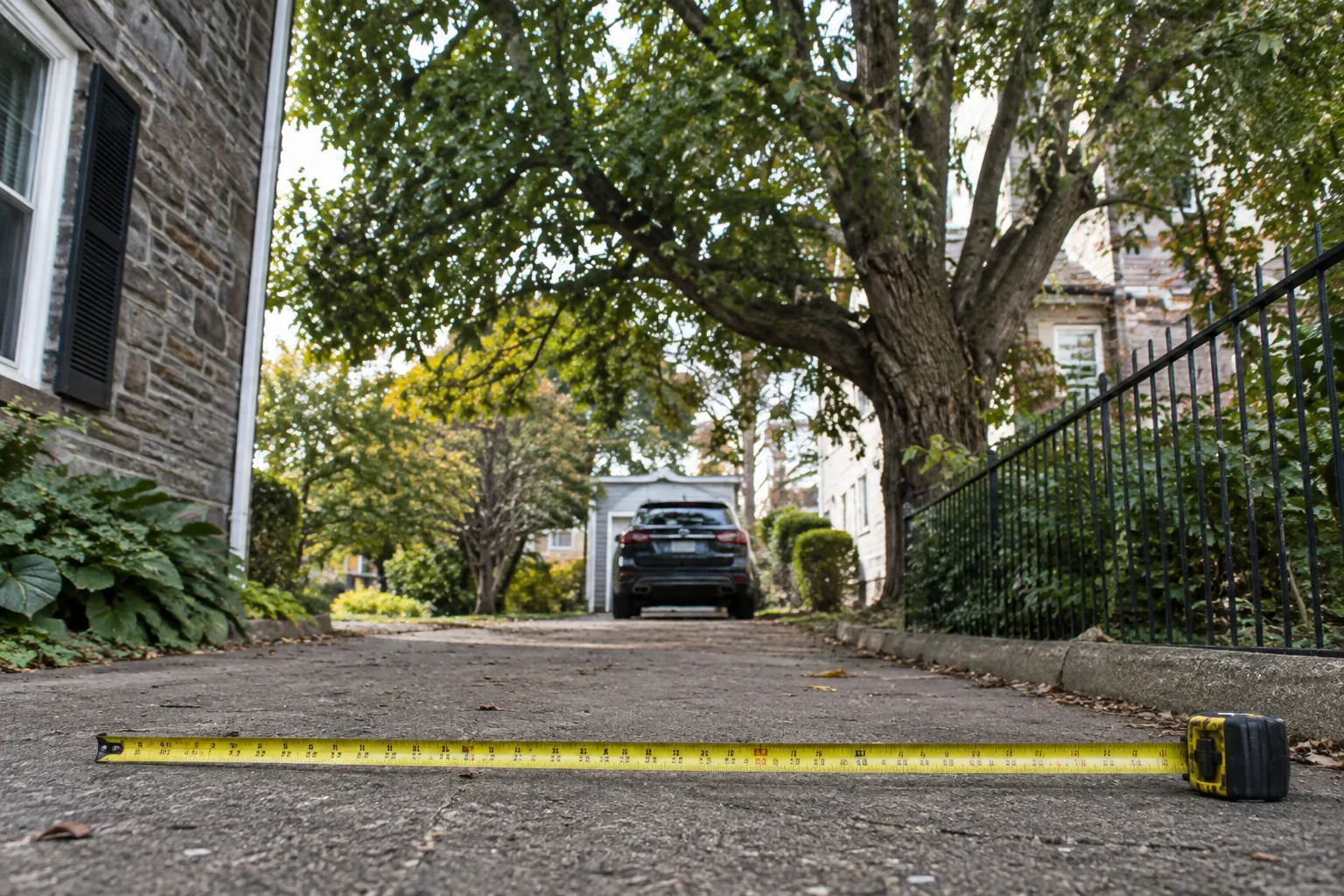
For a tree-trimming quote, identify each tree, describe the result you want, note access conditions and nearby features, and attach clear photos from more than one angle. Include your property address and preferred way to be contacted. These details give a provider a practical starting point, but photos and a written description may not show every condition that affects the work. Ask what additional information or an on-site assessment is needed before comparing the proposed scope.
Identify the trees and trimming goal
Start by distinguishing the trees you want considered. If there is more than one, label them in your message as Tree A, Tree B, and so on, then use the same labels in your photos. A simple description such as “the tree beside the driveway” or “the branches over the rear patio” can help connect your request to the right part of the property. If you know the tree type, you can mention it, but do not guess if you are unsure.
Describe the outcome you are looking for rather than prescribing a technical cut. For example, say whether your concern is branches extending over a roof, clearance above a walkway, or a canopy that feels too close to a particular area. Be specific about which side or feature matters. “Trim the tree” gives less context than “please assess the branches extending over the driveway.” The provider can then clarify what work is appropriate and what the requested scope would include.
Explain access and nearby features
Mention how a crew would reach each tree and whether the route passes through a gate, side yard, shared driveway, or another limited area. If you know that access is restricted, describe the restriction in ordinary terms; there is no need to estimate equipment dimensions. Also note visible obstacles near the work area, such as a fence, shed, garden, parked vehicles, or a neighboring structure. These details help a provider decide whether the initial description is enough or whether a closer look is needed.
Separate what you have observed from what you are asking the provider to assess. You might say that a branch appears to touch a roof, while asking the provider to review the requested clearance. Avoid assuming that a particular branch can be removed or that a photo settles the scope. If the tree is near a street or sidewalk, clarify whether it is on private property or appears to be a street tree. Ownership and applicable processes can differ, so confirm the correct route for the specific tree before arranging private-property work.
Send photos that answer useful questions
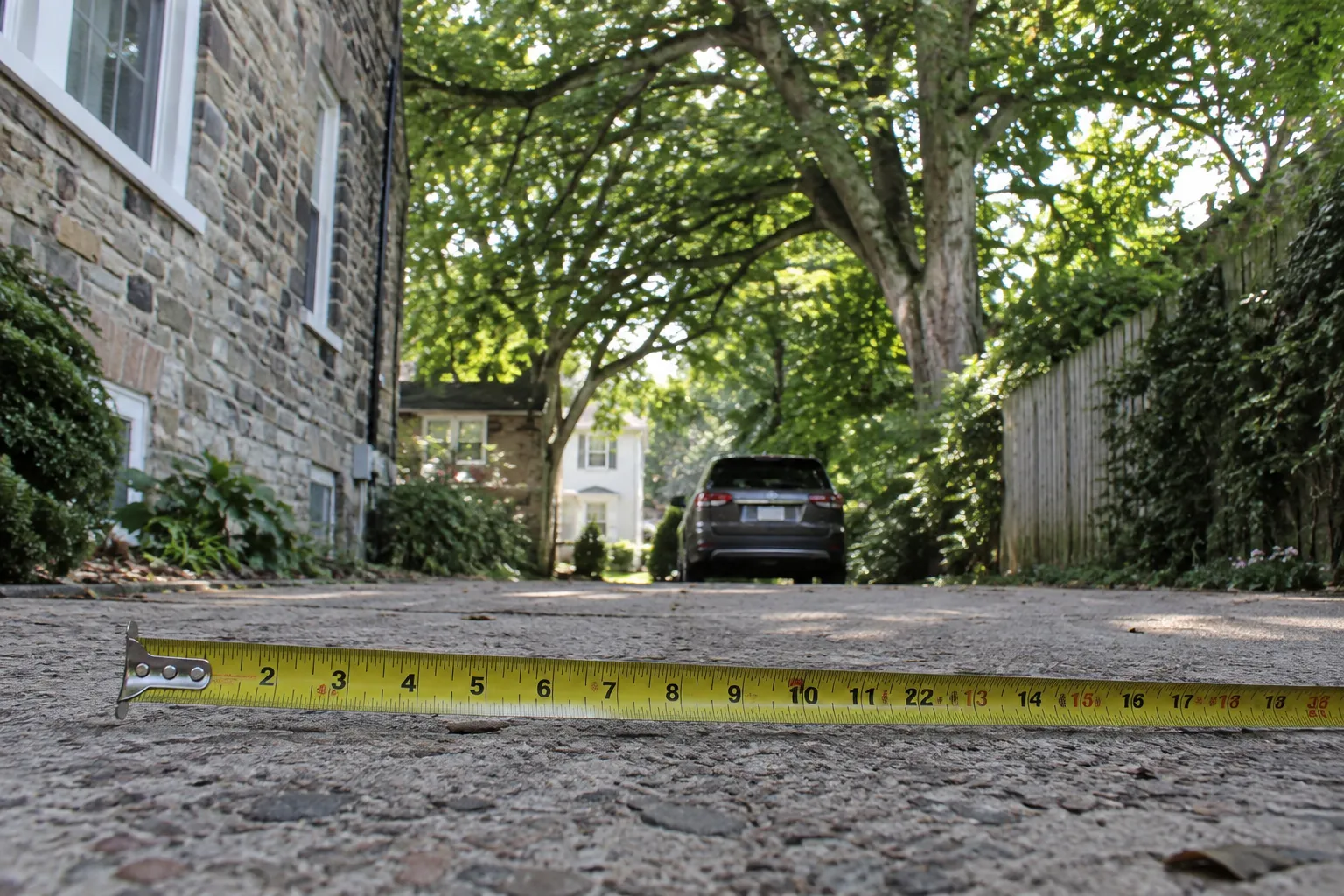
Use a small set of clear, current photos rather than one close-up. A wider view can show the whole tree and its position on the property; another view can show the branches or area that prompted the request. If access is part of the question, include a view of the route or gate. Keep the tree label consistent in the message so the provider can tell which images belong together. Photos are a starting point, not a substitute for any assessment the provider says is necessary.
For example, an illustrative request might identify “Tree A, beside the driveway,” explain that the owner wants the branches over the driveway reviewed, and attach one wide view plus a closer view of those branches. It could also mention that the side gate is narrow, without guessing whether equipment can pass through it. This example shows how to make a request understandable; it does not describe a completed job or establish what work a particular tree needs. If a photo does not show the relevant area clearly, say so and ask what view would help.
Make the proposed scope easy to compare
When a provider responds, compare the work described, not just a short label such as “trimming.” Check that the response refers to the correct tree or trees and addresses the goal you described. If the request covers several trees, ask whether the proposed scope treats them separately. Clarify what is included in the described trimming and whether handling the resulting branches is part of the request or needs to be discussed separately. Do not assume that two providers use the same scope for the same brief description.
If anything is unclear, ask for the proposed work to be restated in plain language before deciding how to proceed. You can also ask whether the information you sent is sufficient or whether an on-site review is needed. The amount of detail required can vary with the property, tree, access, and requested work, so a message and photos may not produce a final scope on their own. For service details or to start the conversation, use the tree-trimming page; for a specific property, share the address and the details you have gathered.
Common questions
What should I include if I have several trees?
Give each tree a simple label and describe its location, such as “Tree A, beside the driveway.” Use the same labels in your photos and explain the goal for each tree separately. If the goal is the same for several trees, say so, but still identify which trees you mean. This reduces ambiguity in the request. Ask the provider to confirm which trees and requested work are included in any proposed scope, especially if the response groups them together.
Can photos alone determine the trimming quote?
Photos can help explain the trees, requested outcome, and visible access conditions, but they may not show every detail needed to assess the work. A provider may need more information or an on-site review, depending on the tree and property. Send clear views from different angles, describe anything the images do not show, and ask whether the information is sufficient for the next step. Treat any initial discussion as subject to clarification if the scope cannot be confirmed from the material provided.