Johnnys Tree Services Blog
Tree Removal in Philadelphia: What Changes When Only One Tree Is in a Shared Yard?
Removing one tree from a yard shared with a neighbor can involve more than identifying the tree. Access, nearby structures, the work boundary, and who can authorize entry may all affect how the removal is assessed. Learn what to clarify, what photos to send, and when to check whether the tree is on private property or in the public right-of-way before requesting an estimate.
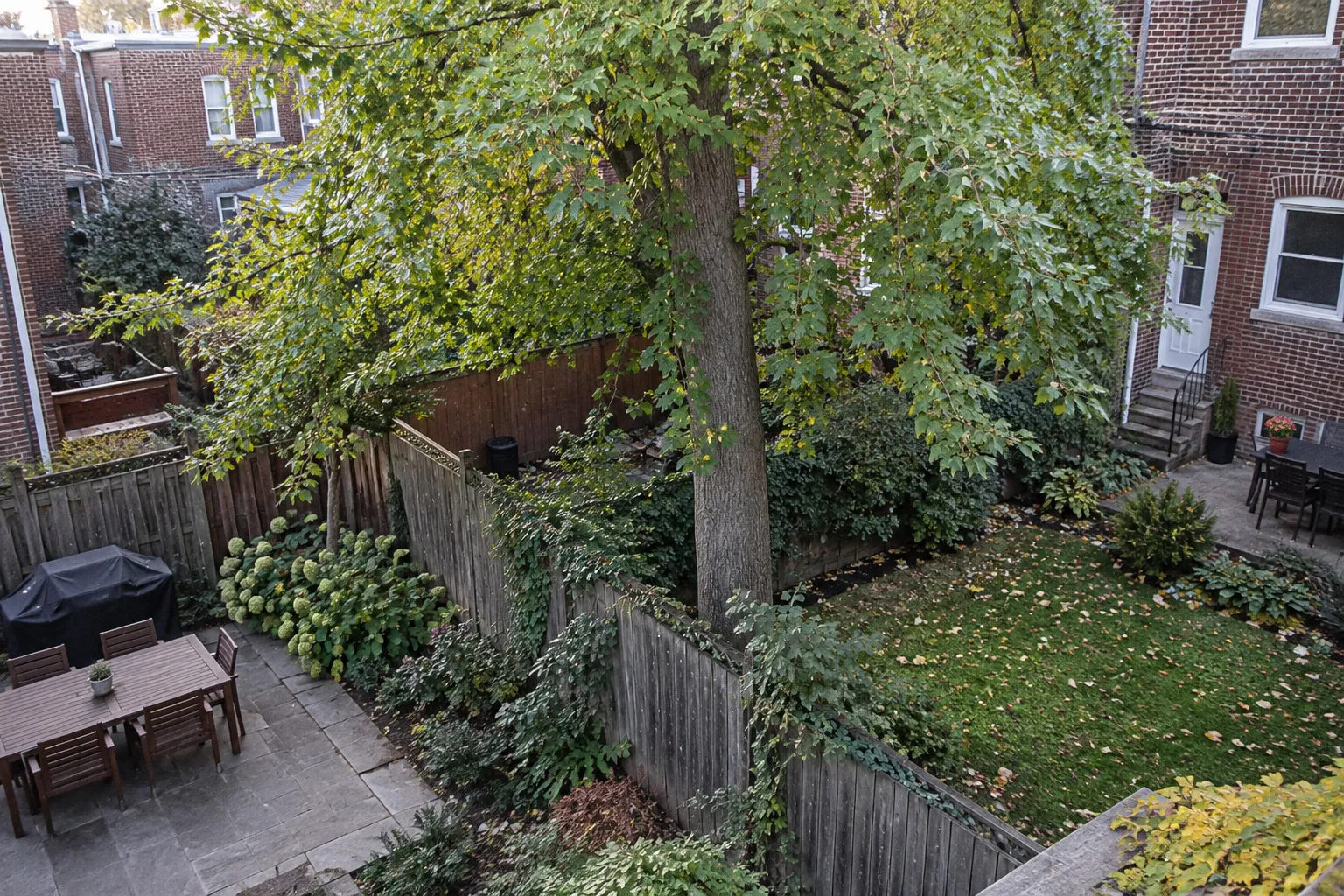
When only one tree in a shared yard needs removal, the main difference is coordination: the provider needs to understand where the tree stands, how the work area can be reached, and which neighboring spaces or structures are close by. Before requesting an estimate, identify the tree, clarify who can authorize access to each area, and share photos that show the tree and its surroundings. If it may be a street tree rather than a yard tree, confirm the responsible party before arranging private-property removal.
Start with the tree’s location and status
A shared yard can mean adjoining properties with a common outdoor area, a narrow side passage used by both households, or a yard where a fence does not clearly show the property boundary. Those arrangements are not interchangeable. Describe the layout in ordinary terms and point out the specific tree you want assessed. A photo with a visible landmark, such as a fence corner or building wall, can help distinguish it from nearby trees.
Also clarify whether the tree is in a private yard or in the public right-of-way. Philadelphia distinguishes yard trees on private property from street trees in the sidewalk or planting strip. The City says it manages street-tree pruning and removal, while private-property trees are the owner’s responsibility. If the tree’s location is uncertain, pause before treating it as a private removal request and ask the appropriate city department how to identify its status.
First establish which tree is involved and whether it is a private yard tree or a street tree.
Compare access and work boundaries
For a single-tree job, access may be the most important practical difference between a private yard and a shared one. Consider whether a provider would approach from your side, a neighbor’s side, or a shared passage; whether a gate or other opening is involved; and whether the route passes near a building, fence, patio, or planted area. You do not need to predict the removal method. The useful step is to describe what is present and ask what access information is needed to assess the work.
The work boundary matters too. Make clear which tree is included and whether the request concerns only removal of that tree or also cleanup of resulting debris or the remaining stump. Do not assume that permission to enter one part of a shared yard includes permission to use another person’s space. If access through a neighbor’s area may be needed, discuss that with them before the estimate visit and tell the provider what has and has not been agreed.
| Detail | Private yard with direct access | Shared yard or neighbor access |
|---|---|---|
| Route | Describe the entrance and nearby obstacles. | Identify whose space the route crosses and whether access is discussed. |
| Work area | Point out structures and surfaces near the tree. | Clarify the boundary and any neighboring area close to the work. |
| Scope | Name the tree and any requested related work. | Name the tree and separately clarify shared-space expectations. |
A shared setting changes the information and coordination to discuss; it does not by itself establish who owns the tree or can authorize access.
Prepare useful photos and a clear request
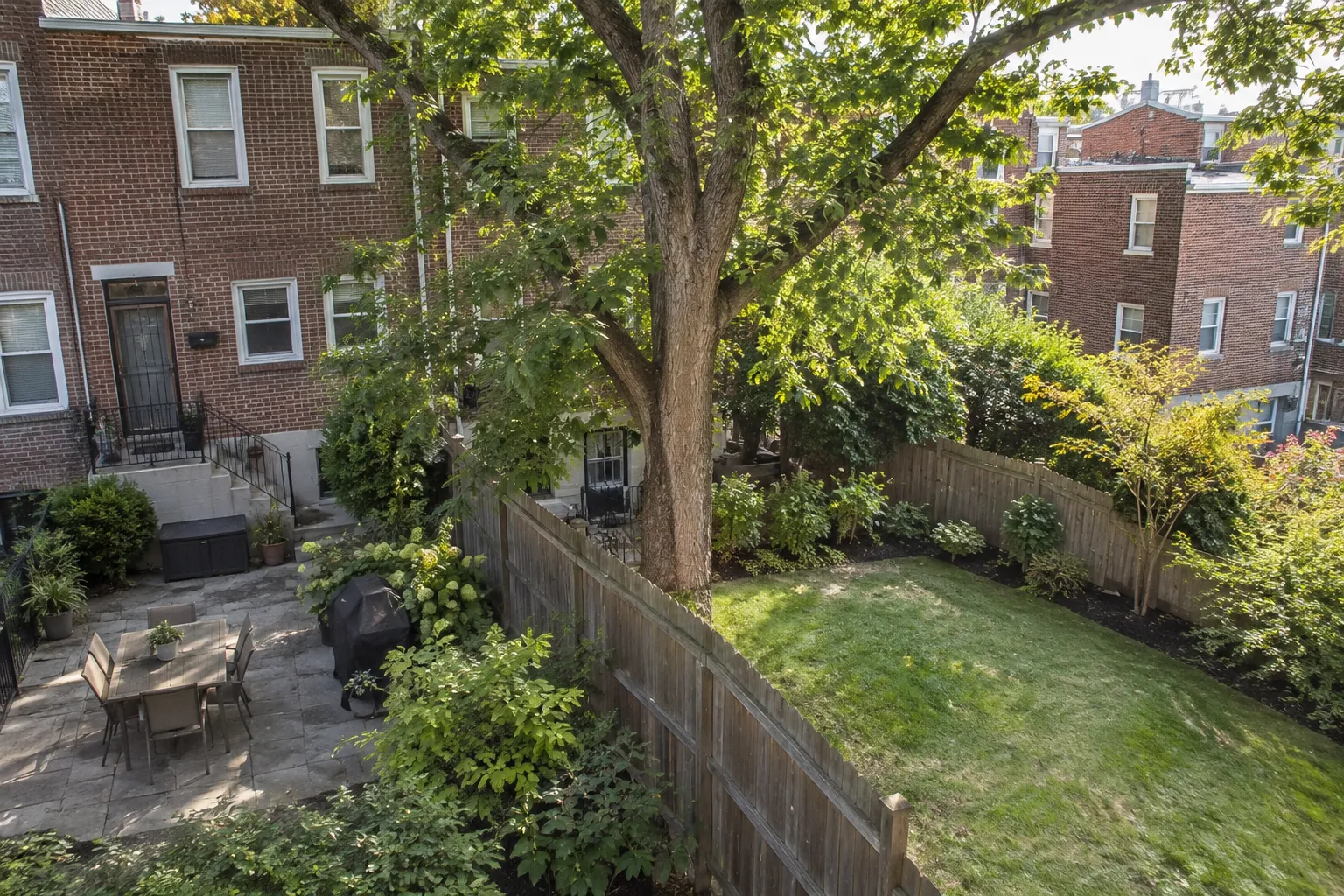
Send a small set of clear views rather than relying on a close-up of the trunk alone. A wide view can show where the tree sits in relation to both properties; another can show the likely access route; and a closer view can identify the particular tree. Mention anything the images do not make clear, such as a locked gate, a narrow passage, or a neighbor’s structure near the work area. These details help start a more specific conversation, but photos cannot settle ownership or replace an on-site assessment when one is needed.
Johnnys Tree Services asks people seeking tree removal to send photos of the tree and its surroundings, including access and nearby structures, before arranging an estimate. Use the [tree removal service details](https://johnnystreeservicesinc.com/tree-removal/) to review the service and request an estimate. In your message, state that the yard is shared, identify the tree, describe the access route, and say whether you have discussed entry with the neighbor. Availability for an address should be confirmed directly.
- Identify the tree in a wide view and a closer view.
- Show the route to the tree and nearby structures or boundaries.
- Describe any shared passage, gate, or neighbor access that may matter.
- State whether the request includes stump work or debris cleanup, rather than assuming those are included.
Photos can explain the layout; they do not prove property boundaries or permission.
Clarify authority and any separate requirements
Before scheduling work, distinguish three questions: who owns or controls the tree, who can authorize entry to the relevant areas, and whether the proposed work has any separate local requirements. A shared fence, informal arrangement, or long-standing use of a passage does not answer those questions on its own. If ownership or permission is disputed, resolve the uncertainty with the relevant property owner or appropriate professional before proceeding; a service estimate is not a determination of property rights.
Philadelphia’s permit information describes specific site-clearing and earth-disturbance situations, with exceptions and conditions. It does not establish that every single-tree removal needs a permit, nor does the available information settle every property’s circumstances. If the site or scope may fall under a permit process, check the current city requirements for that address and project before work is arranged. Keep the estimate conversation focused on the tree, access, nearby features, and the scope you are asking about.
- Confirm whether the tree is in a private yard or public right-of-way.
- Identify who can authorize access to each area the work may involve.
- Describe the tree, route, nearby structures, and requested scope when asking for an estimate.
- Check applicable city requirements if the property or scope may trigger a separate review.
An estimate can assess the requested tree work, but it does not resolve ownership, access disputes, or permit questions.
Common questions
Does a shared yard mean my neighbor must be present?
Not necessarily; the answer depends on who controls the areas that may need to be entered and what access has been agreed. Explain the shared arrangement when requesting an estimate, and ask the neighbor about access before relying on their side of the yard. A provider can discuss the practical route, but should not be treated as deciding who has authority over another person’s property.
What if I am not sure whether it is a street tree?
Do not assume a tree beside a shared yard is a private yard tree. Philadelphia describes street trees as those in the sidewalk or planting strip and says the City manages street-tree pruning and removal. If the location is unclear, verify its status with the City before arranging private-property removal. A photo showing the tree’s position relative to the sidewalk and curb may help explain the question, but it does not establish ownership.