Johnnys Tree Services Blog
Tree Cleanup in Philadelphia: What Should Be Included in a Debris Removal Plan?
A clear tree debris removal plan identifies what material needs attention, where it is located, what should happen to it, and which areas need to be left clear. Use this guide to describe the scope before requesting tree cleanup in Philadelphia.
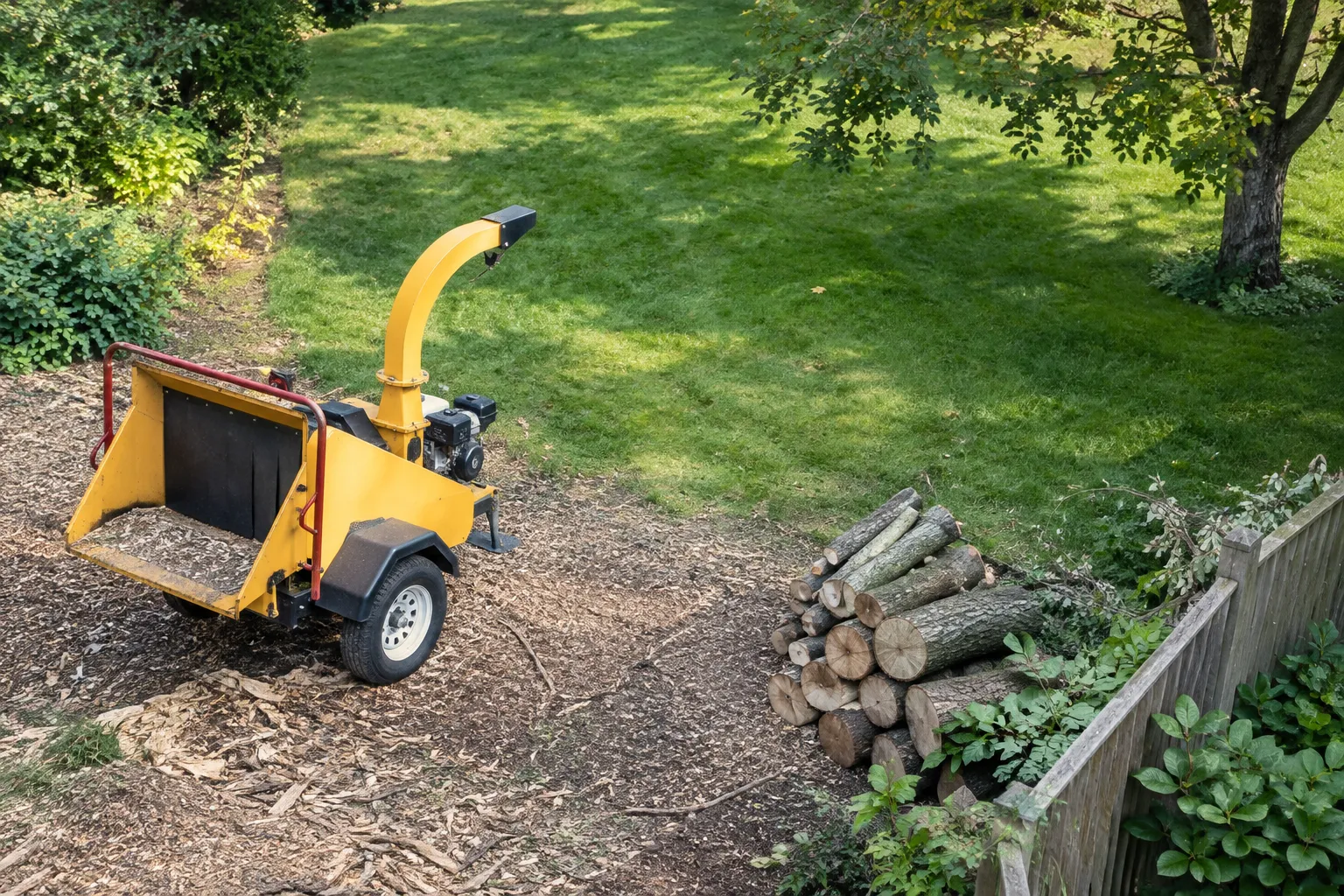
A useful tree debris removal plan states which branches, logs, and other tree debris need attention; where the material is; what you want done with it; and which areas should be left clear. Before requesting tree cleanup in Philadelphia, note access limits and any material you want kept rather than removed. The exact scope depends on the site and the service agreed upon, so confirm each task instead of assuming that cleanup includes every possible handling or disposal step.
Define the material and its location
Start by describing the debris, not just calling it a cleanup. Note whether you are asking about loose branches, larger limbs, logs, or a mixture, and identify where each group is located. Material spread across a lawn may call for a different plan than debris gathered beside a driveway or near a fence. These are useful distinctions for explaining the request, not a promise that a particular method or equipment will be used.
If the material came from recent tree work, say whether that work is complete and whether you are asking only for debris handling. If you also need a tree removed or branches trimmed, describe that separately. Cleanup, removal, and trimming are different scopes; combining them in one request without separating the tasks can leave uncertainty about what is included. A short written list helps both sides discuss the same work.
- Identify the material: branches, limbs, logs, or mixed debris.
- Describe where it is gathered or scattered, using familiar landmarks.
- Separate cleanup from any requested tree removal or trimming.
Choose what should happen to it
State your preferred outcome for each type of material. For example, you might want loose branches and logs removed from the property, or you might want some material left in a specific place. Do not assume that hauling, cutting larger pieces, chipping, or leaving material behind is automatically part of a general cleanup request. Ask which handling options are available for the actual site and have the agreed scope stated clearly.
A practical plan also names the areas that should be clear when the work is done, such as a path, driveway, or section of yard. If you want material retained, identify where it should remain and what should not be moved. The provider may need to clarify whether that request fits the work being discussed. The final arrangement depends on the material, access, and agreed service; describe preferences as requests to confirm, not as assumed inclusions.
| Plan detail | What to specify |
|---|---|
| Remove from property | Which debris should be taken away, and whether the request covers all listed material. |
| Leave on site | Which material should remain and the location you have in mind. |
| Clear an area | Which path, driveway, or yard area should be free of debris. |
Describe access and site limits
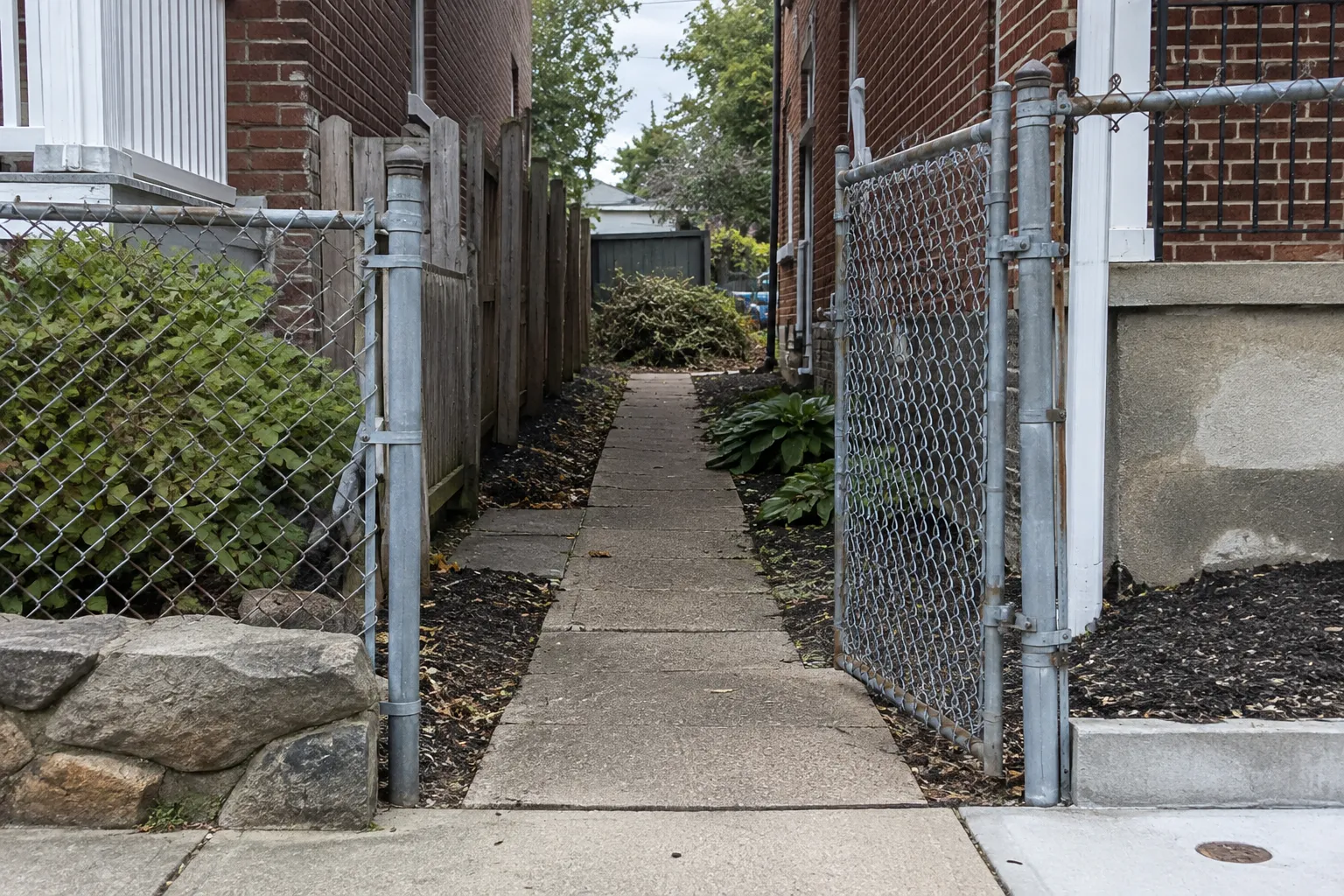
Explain how a crew would reach the debris and mention any constraints you already know about. A narrow passage, gate, steps, parked vehicles, or a surface you want protected can affect how the request is assessed. You do not need to decide how the work will be carried out; give a straightforward description and ask whether the access is suitable for the proposed scope. Avoid treating a photo as a substitute for confirming details that are not visible.
Photos can help show the amount and location of material, along with the route to it. Take ordinary views from places you can access without approaching unstable debris or entering a hazardous area. Include a wider view for context and a closer view of the material, if practical. Johnnys Tree Services notes that photos help it understand the amount of material and access needed for removal. Availability for nearby addresses should be confirmed rather than assumed.
Confirm the plan before work begins
Before scheduling, summarize the request in plain language and ask the provider to confirm what is included and what is not. Clarify which debris will be handled, whether it will be removed from the property or left in a specified place, and which areas are expected to be cleared. If the scope changes after the initial discussion, ask how that change will be handled before treating it as part of the original plan.
For example, imagine a homeowner has fallen branches in a side yard and logs beside the driveway. They want the branches removed, the logs left in a designated area, and the driveway cleared. This is an illustrative request, not a report of a customer job. It gives the provider concrete decisions to confirm: whether both material groups are included, whether the requested handling is available, and whether the access route works for the agreed task.
For a service-specific estimate, describe the debris and access, then review the scope of [tree cleanup in Philadelphia](https://johnnystreeservicesinc.com/tree-cleanup/). If the request also involves taking down a standing tree, keep that work distinct and ask whether a separate [tree removal estimate](https://johnnystreeservicesinc.com/tree-removal/) is appropriate. The estimate and final plan depend on the property and the work agreed upon; a clear description helps identify what still needs confirmation.
- List the material and where it is located.
- Say what should be removed, retained, or left clear.
- Describe access limits and share useful photos when available.
- Ask the provider to confirm included tasks and exclusions.
A debris removal plan is clearest when it names the material, its location, the desired handling, access constraints, and the areas to leave clear. Confirm the exact scope before scheduling.
Common questions
Does tree cleanup automatically include hauling debris away?
Do not assume that it does. Describe which branches, logs, or other debris you want removed from the property and ask the provider to confirm whether hauling those items is included in the proposed scope. If you want some material left behind, identify it and specify a location. The arrangement depends on the service agreed upon and the site, so have the handling plan stated clearly before scheduling.
What should I send when asking about tree debris cleanup?
Send a concise description of the material, where it is located, what you want removed or retained, and any access limits you know about. Photos can help show the amount of debris and the route to it, but they may not show every relevant site condition. Ask the provider to confirm what the estimate covers, what remains outside the scope, and whether the requested access and handling are suitable.