Johnnys Tree Services Blog
Key Questions to Ask When Requesting a Tree Removal Estimate
When you need a tree removed in Philadelphia or nearby areas, asking the right questions helps you get a clear, accurate estimate and avoid surprises. This guide outlines essential questions to discuss with your tree removal service provider, covering insurance, scope, permits, pricing, and property protection. Understanding these points lets you prepare your request and make informed decisions about your tree removal project.
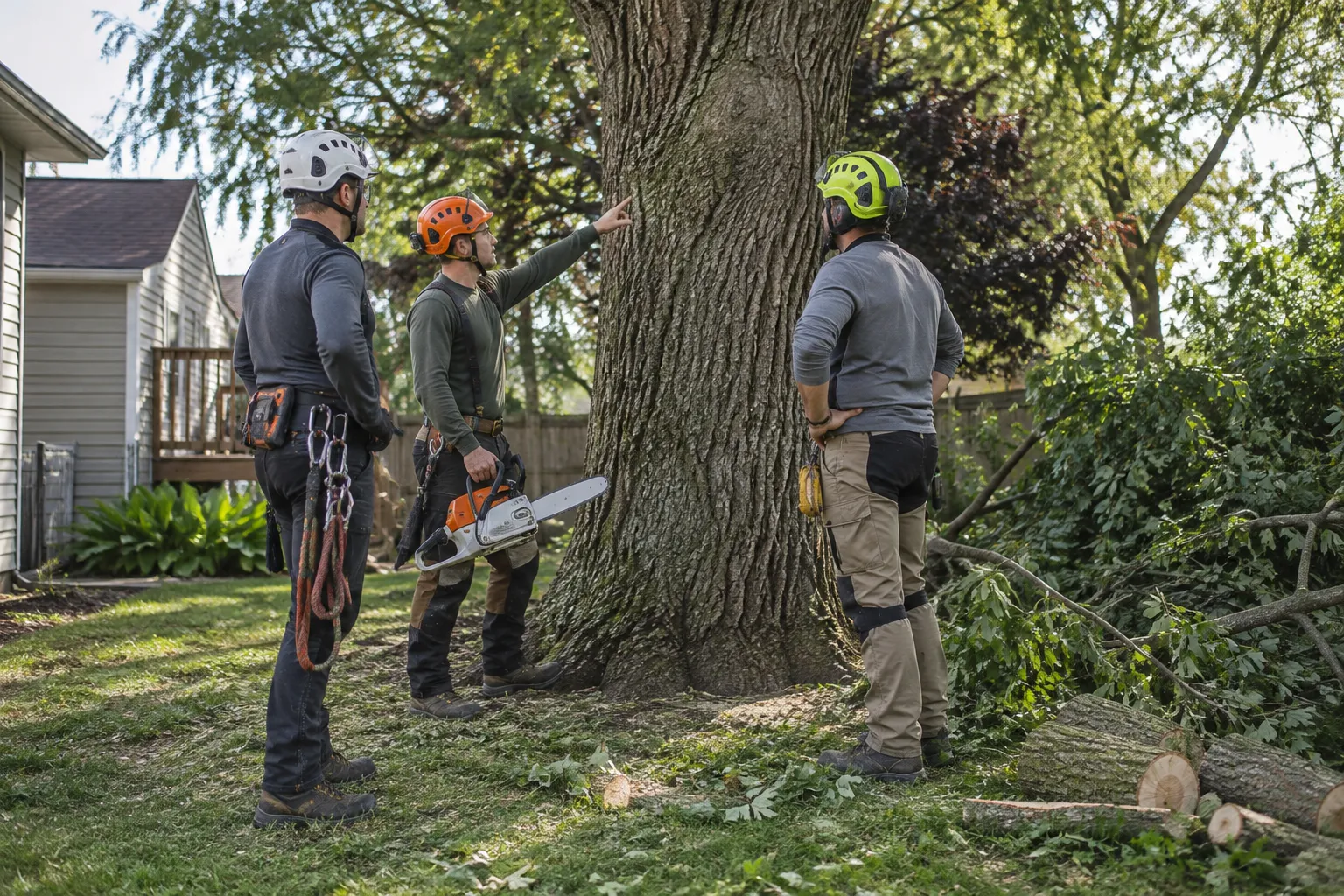
Requesting a tree removal estimate can feel overwhelming, but knowing which questions to ask helps you avoid surprises and ensures the job meets your needs. Start by confirming the company’s insurance coverage, including general liability and workers’ compensation, to protect yourself from liability in case of accidents. Ask who will perform the work and if an ISA Certified Arborist will be involved, especially for complex removals. Clarify exactly what the estimate covers — whether it includes stump grinding, debris haul-away, permits, and cleanup. Understanding how the company protects your lawn, driveway, and property during the job is vital to prevent damage. Also, inquire about the pricing structure: is the price fixed or subject to change? Confirm deposit and payment terms to avoid upfront payments without completed work. Finally, ask about references from recent similar jobs to assess reliability. By addressing these points, you can prepare your request confidently and compare estimates effectively.
Verify Insurance and Qualifications
One of the most important questions to ask when requesting a tree removal estimate is about the company's insurance coverage. Tree removal involves risks such as falling limbs, equipment accidents, and property damage. Confirm that the company carries general liability insurance with coverage typically around $1,000,000 per occurrence, as well as workers’ compensation insurance. Request that their insurance agent emails you a certificate of insurance directly, rather than relying on the company’s word. This documentation protects you from potential claims if an injury or damage occurs during the job.
Additionally, ask who will actually perform the work. Sometimes the estimator is different from the crew that arrives. Knowing the crew leader’s name and whether an ISA Certified Arborist will be on site can provide peace of mind, especially for complex or health-related tree removals. While certification is not always required for removal, it is valuable for pruning or assessing tree health.
Clarify Scope and Pricing Details
Ask the service provider to explain exactly what the estimate includes. Common gaps in quotes involve stump grinding, wood disposal, haul-away, permits, and cleanup. For example, stump removal or grinding is often not included in the base price and may cost an additional $100 to $400 depending on size. Understanding these details upfront helps avoid unexpected charges later.
Discuss what happens to the wood and chips. Some companies leave wood cut to firewood length, others haul it away or leave chips as mulch. This choice can affect the price and the final condition of your yard. Also, confirm whether the price is fixed or if it could change on the day of service due to unforeseen issues. A reputable company will inform you before any price adjustments. Finally, clarify deposit requirements and payment terms. Avoid companies that demand large upfront payments; a reasonable deposit is usually no more than one-third of the total cost, with the balance due upon completion.
Understand Permits and Property Protection
Many cities, including Philadelphia and nearby communities, require permits for tree removal, especially for large or protected trees. Ask if a permit is necessary for your project and who will be responsible for obtaining it. Permit fees, typically ranging from $25 to $150, should be included or clearly outlined in the estimate. Skipping permits can lead to fines or forced replanting.
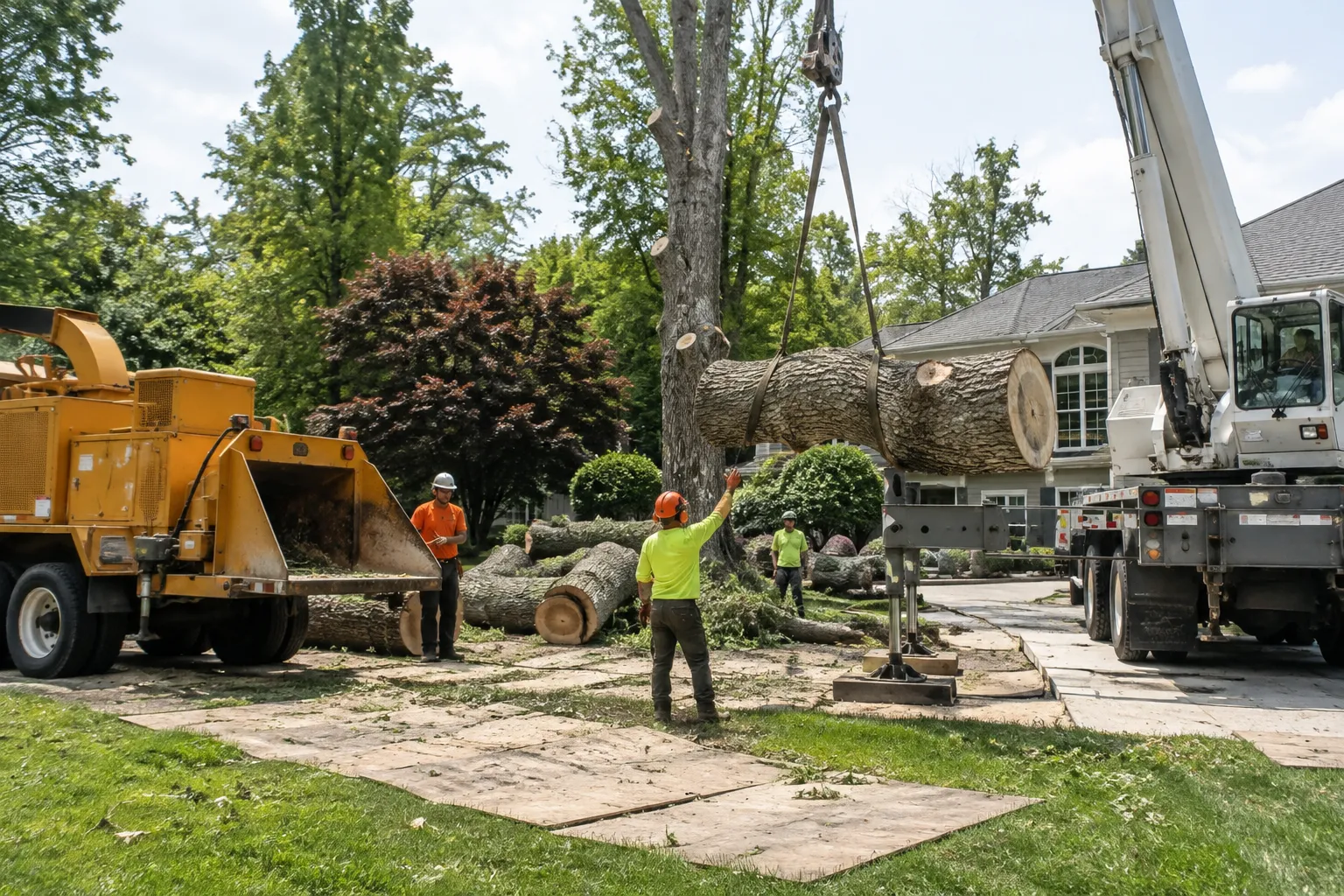
Protecting your property during the removal process is crucial. Inquire how the company will access the tree and what measures they take to protect your lawn, driveway, fences, and underground utilities. Good companies use ground mats or plywood to prevent damage from heavy equipment. If a crane or bucket truck is needed, ask how they will protect hard surfaces. Also, discuss how they plan to handle tree sections near your house or power lines, as these are the riskiest parts of the job.
Check References and Confirm Scheduling
Request at least two recent references for similar tree removal jobs. Contacting previous customers helps verify the company’s reliability, punctuality, and quality of work. Ask about whether the crew arrived as scheduled, if the final price matched the estimate, and how well the site was cleaned up afterward. A company willing to provide references is typically confident in their service.
Finally, discuss the project timeline. Ask when the company can start and how long the removal will take. Peak seasons may involve waiting periods, so getting a realistic start window and duration helps you plan. Also, clarify how the company handles unexpected delays or weather-related rescheduling.
Common questions
What should I ask about insurance when hiring a tree removal service?
You should ask for proof of general liability and workers’ compensation insurance. Request that the insurance agent sends you a certificate of insurance directly. This ensures the company is covered in case of accidents or property damage during the job, protecting you from liability.
How can I ensure the tree removal estimate covers all necessary services?
Ask the provider to specify what the estimate includes, such as stump grinding, debris haul-away, permits, and cleanup. Clarify whether the price is fixed or subject to change, and confirm deposit and payment terms. This helps avoid unexpected charges and ensures the scope matches your needs.