Johnnys Tree Services Blog
How to Identify the Right Time for Tree Trimming to Maintain Clearance in Philadelphia
Learn practical signs and timing cues to determine when to schedule tree trimming services in Philadelphia. This guide covers clearance needs, health considerations, and safety factors to help property owners maintain healthy, safe trees and avoid conflicts with structures and utilities.
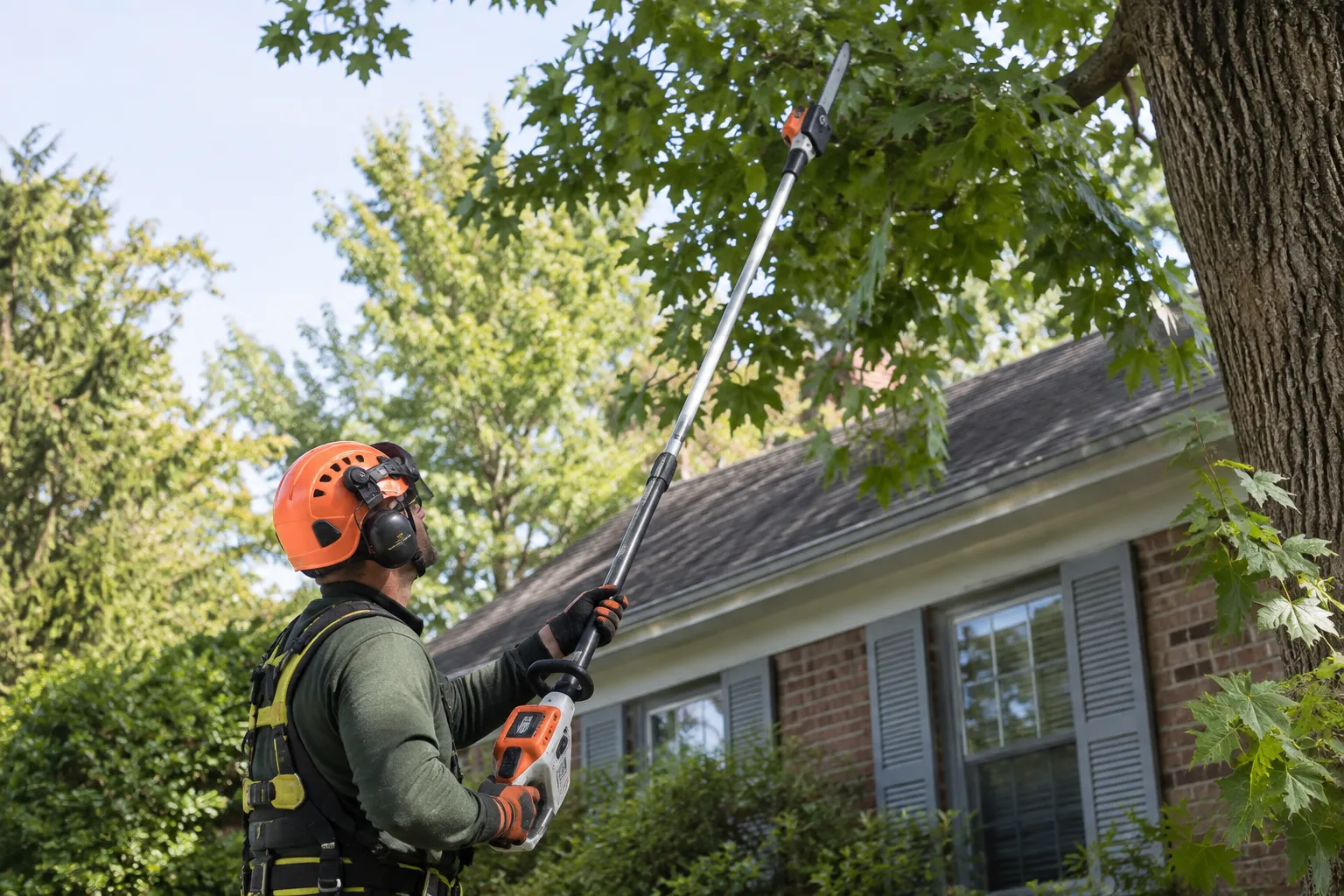
Tree trimming is essential for maintaining safe clearance around your property, protecting structures, and supporting tree health. Knowing when to schedule trimming depends on several factors including branch overgrowth, interference with power lines or buildings, and signs of tree stress or damage. In Philadelphia, common indicators for tree trimming include branches that encroach on roofs, sidewalks, or utility lines, and canopies that have become dense or unbalanced. Seasonal timing also matters; late winter to early spring is often ideal before new growth begins, but urgent clearance or deadwood removal can be done any time of year. Proper trimming improves tree structure, reduces storm damage risk, and enhances curb appeal. Working with a professional service ensures pruning follows accepted standards to protect tree health and property safety. Understanding these cues helps property owners decide when to request tree trimming services and prepare their property for efficient and effective care.
Recognizing When Tree Trimming Is Necessary
Tree trimming becomes necessary when branches interfere with your property's safety, aesthetics, or utility access. Common signs include limbs growing too close to roofs, gutters, or windows, which can cause damage or invite pests. Branches that extend over sidewalks or driveways pose hazards to pedestrians and vehicles. Additionally, trees growing into or near power lines require timely trimming to prevent outages and safety risks. Dense canopies that block sunlight or trap moisture may also benefit from thinning to maintain tree health. Observing these conditions helps property owners identify when to schedule trimming before problems escalate.
Another important indicator is the presence of dead, dying, or damaged branches. These limbs can fall unexpectedly, especially during storms, causing injury or property damage. Removing such branches not only enhances safety but also improves the overall appearance and vitality of the tree. Overgrown or unbalanced crowns can lead to structural weaknesses, increasing the risk of branch failure. Regular inspection and timely pruning help maintain a strong and stable tree architecture.
Optimal Timing for Tree Trimming in Philadelphia
The best time for most tree trimming in Philadelphia is late winter to early spring, just before new growth starts. Pruning during this dormant period minimizes stress on the tree and encourages healthy development in the upcoming season. This timing is especially effective for structural pruning, crown thinning, and clearance trimming. However, safety pruning and removal of hazardous limbs can be performed year-round as needed to address immediate risks.
Certain species or situations may require adjustments to this schedule. For example, trees that flower in early spring might be pruned right after blooming to preserve blossoms. Consulting with a tree care professional familiar with local species and conditions ensures trimming is done at the most beneficial time. Avoiding heavy pruning during late summer or fall helps prevent stimulating vulnerable new growth before winter.
Safety and Clearance Considerations
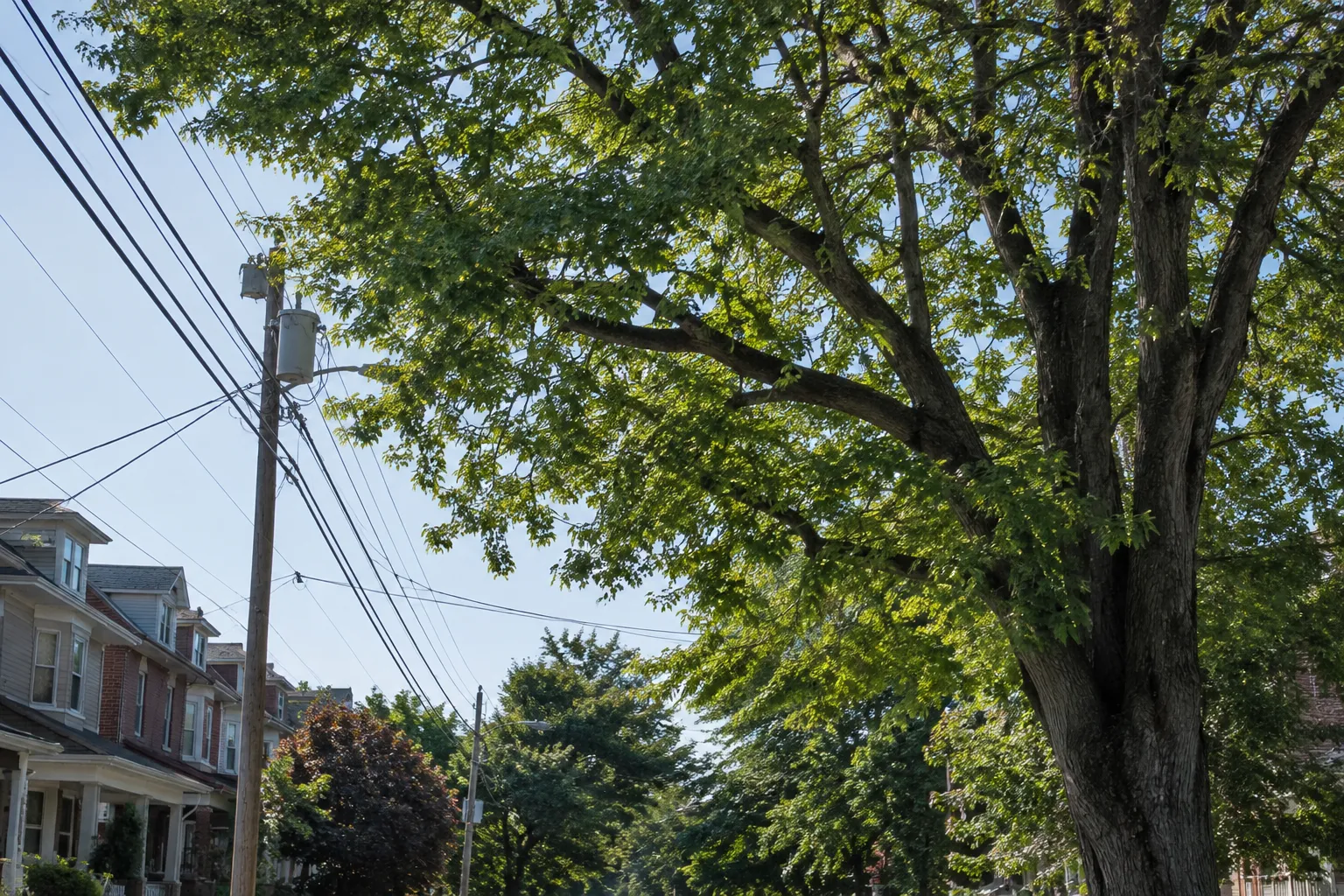
Maintaining proper clearance around power lines is a critical safety concern. Trees growing too close to electrical conductors can cause outages and pose electrocution hazards. Directional pruning is the recommended method to manage these conflicts, selectively removing branches that grow toward power lines while preserving the tree’s natural form and health. This approach reduces the need for frequent trimming and lowers the risk of decay or structural damage.
Clearance trimming also applies to buildings, sidewalks, and roadways. Removing branches that rub against structures helps prevent damage to siding and roofing materials. Keeping walkways free of low-hanging limbs ensures safe passage for residents and visitors. When planning trimming for clearance, consider local regulations and utility company guidelines, as some areas require permits or coordination with municipal agencies. A professional tree service can navigate these requirements and perform pruning safely and efficiently.
Working with Professional Tree Trimming Services
Hiring a professional tree trimming service ensures pruning is performed according to industry standards that protect tree health and property safety. Certified arborists use proper cutting techniques, such as making clean cuts at branch collars, to promote wound closure and reduce decay. They assess tree species, age, and structure before recommending the appropriate pruning approach.
Professionals also manage debris removal and cleanup, leaving your property neat after the job. They can advise on trimming frequency and identify when a tree may require more extensive care or removal. For property owners in Philadelphia, Johnnys Tree Services offers expert tree trimming with a focus on clearance, health, and safety. Contacting a trusted provider early helps schedule timely service and maintain your trees in optimal condition.
Common questions
How often should I schedule tree trimming to maintain proper clearance?
The frequency of tree trimming varies depending on the species, growth rate, and site conditions. Generally, trimming every 3 to 5 years is sufficient for mature trees to maintain clearance and health. Faster-growing species or trees near structures and utilities may require more frequent attention. Regular inspections help determine the right schedule to prevent overgrowth and safety hazards.
Can I perform tree trimming myself, or should I hire a professional?
While minor pruning of small branches can be done safely by homeowners, professional tree trimming is recommended for larger limbs, structural pruning, and work near power lines or buildings. Certified arborists have the training, tools, and knowledge to prune correctly without damaging the tree or risking injury. Hiring a professional also ensures compliance with local regulations and proper debris management.