Johnnys Tree Services Blog
Essential Questions to Prepare for a Stump Grinding Service Estimate in Philadelphia
When planning stump grinding in Philadelphia or nearby areas, knowing the right questions to ask your service provider helps ensure a clear, accurate estimate and a smooth process. This guide covers pricing, scope, cleanup, safety, and property protection to help property owners prepare effectively.
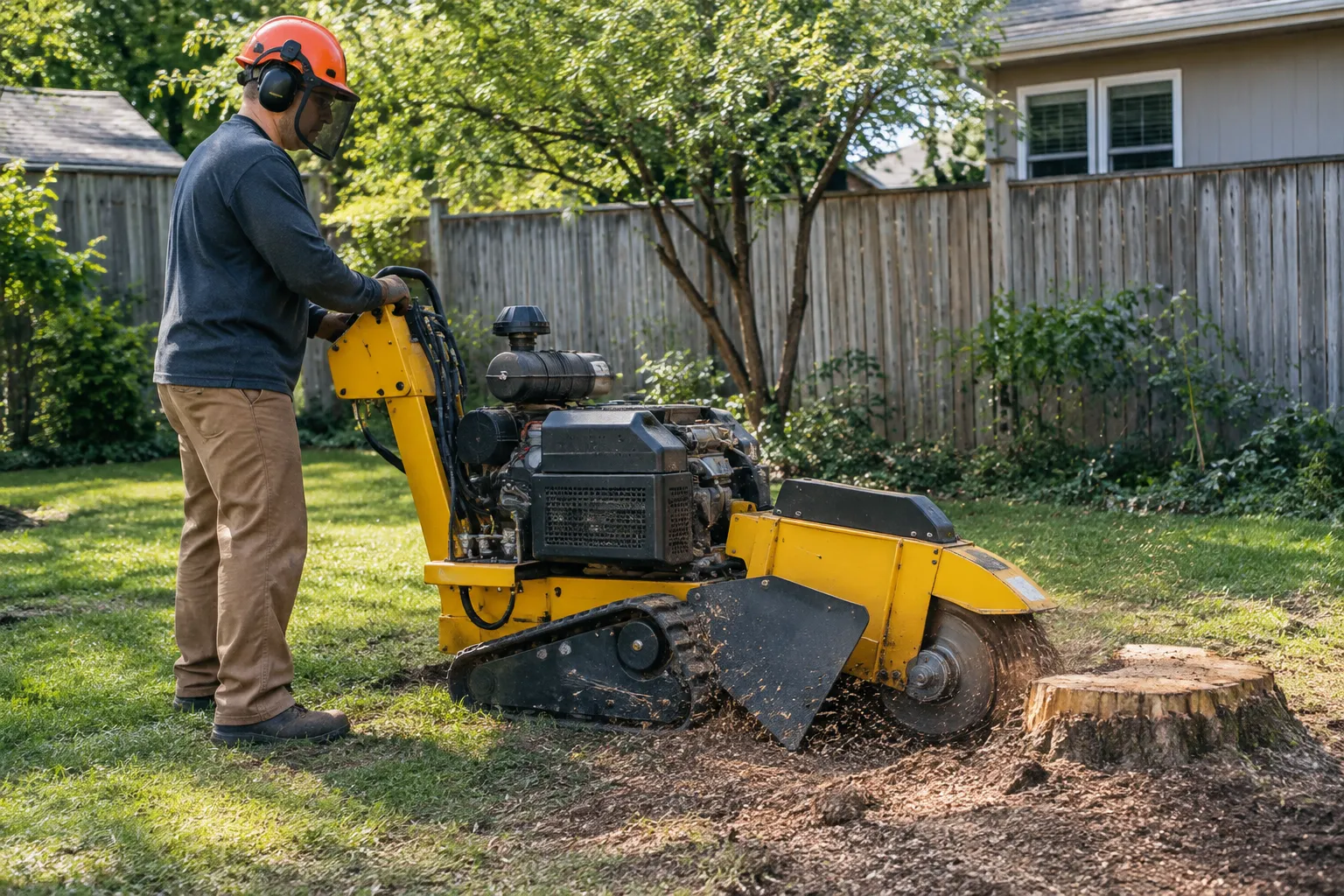
Preparing for a stump grinding service estimate involves asking specific questions that clarify the scope, pricing, and logistics of the job. Knowing how the provider charges—whether per inch of stump diameter or a flat rate—helps you compare quotes fairly. Confirm what the price includes, such as cleanup, haul-away of wood chips, and whether grinding covers surface roots as well as the stump itself. Understanding the planned grinding depth ensures the finished area suits your future landscaping or construction plans. Safety is key, so ask if buried utilities will be located and marked before work begins. Finally, verify whether the company carries insurance to protect your property in case of damage. Asking these questions upfront helps avoid surprises and ensures the service matches your expectations.
How Stump Grinding Pricing Works and What It Includes
Stump grinding pricing can vary widely depending on the size of the stump and the provider's pricing model. Most commonly, the cost is calculated per inch of stump diameter, typically ranging from $2 to $7 per inch, with a minimum fee applied. Some companies may offer a flat rate or hourly pricing instead. It's important to ask your provider how they price the job to understand your estimate and compare it with others.
Besides the grinding itself, clarify what services are included in the price. Ask if cleanup and haul-away of wood chips are part of the job or if they incur extra charges. Grinding produces a substantial volume of chips, so knowing whether the crew removes them or leaves them in a pile can affect your experience and yard appearance. Also, confirm if the service includes grinding surface roots extending from the stump, especially if you want a smooth lawn or planting bed afterward.
Understanding Grinding Depth and Root Removal
The depth to which the stump is ground is a crucial detail that affects how you can use the area afterward. For a lawn, grinding a few inches below ground level is usually sufficient. However, if you plan to replant, build a structure, or lay a patio, a deeper grind may be necessary to accommodate soil or foundations. Discuss your intended use with the provider so they can adjust the grind depth accordingly.
Surface roots can sometimes be overlooked in stump grinding quotes. Ask whether the quote includes grinding the root flare—the area where the trunk meets the roots—and any large roots extending into your yard. Some providers only grind the stump itself, leaving roots that can interfere with mowing or landscaping. Clarifying this detail helps ensure the finished result aligns with your expectations.
Safety Measures and Utility Marking Before Grinding
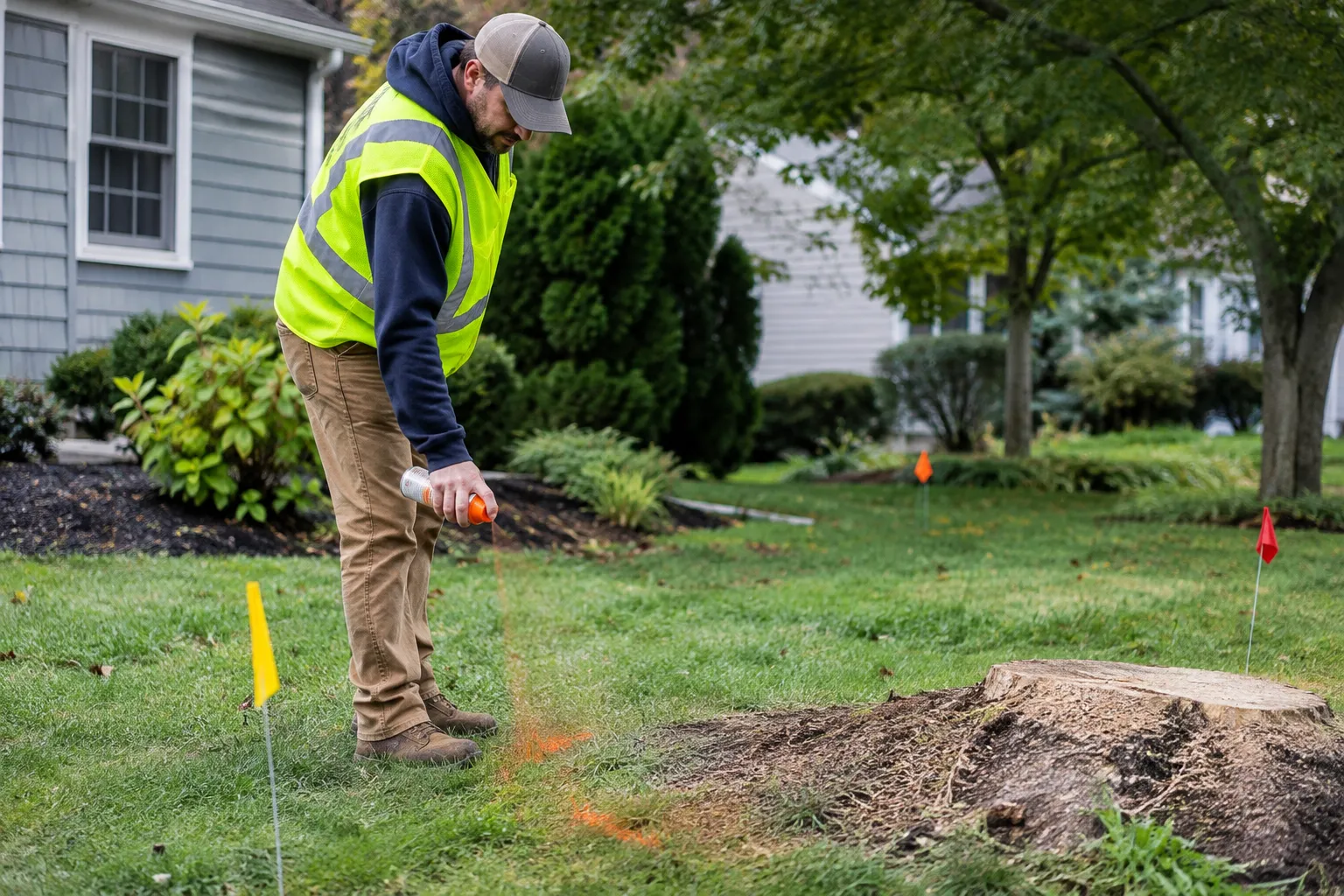
Stump grinding involves digging into the ground, which raises safety concerns regarding buried utilities such as gas, electric, water, and cable lines. A responsible stump grinding service will locate and mark these utilities before starting work to avoid accidents or damage. Confirm with your provider that they perform or require utility marking and whether you need to arrange it beforehand.
In addition to public utilities, private underground lines like irrigation, lighting, or invisible fences may not be marked by public services. Discuss how these will be identified and protected during grinding. Ensuring all buried features are accounted for reduces risks and potential costs related to damage.
Property Protection, Cleanup, and Insurance Considerations
Ask how the service provider plans to access the stump and protect your property during grinding. Equipment can damage lawns, driveways, or patios if not handled carefully. Inquire whether they use ground mats or plywood to minimize impact and how they navigate tight spaces or slopes.
Cleanup is a key factor that influences your satisfaction with the service. Confirm what happens to the wood chips and debris after grinding. Some companies haul everything away, while others leave chips in the hole or in a pile on your property. Also, ask if backfilling the hole or final grading is included or if you need to arrange that separately.
Lastly, verify that the company carries insurance covering property damage and liability. While stump grinding is generally less risky than other tree services, accidents can happen. Insurance protects you from financial responsibility if damage occurs during the job.
Common questions
What should I ask to understand stump grinding pricing?
Ask how the provider calculates the price—whether it's per inch of stump diameter, a flat rate, or hourly. Also, confirm the minimum fee and what services the price includes, such as cleanup, haul-away, and grinding of surface roots. Clear pricing details help you compare quotes and budget accordingly.
How can I ensure safety regarding underground utilities?
Inquire if the service locates and marks public utilities before grinding. Ask how private lines like irrigation or lighting are handled. Confirm whether you need to arrange utility marking yourself. Ensuring these steps are taken helps prevent damage and safety hazards during the job.