Johnnys Tree Services Blog
Essential Photos and Site Access Tips for Accurate Tree Removal Estimates in Philadelphia
Learn how to prepare and provide the right photos and site access details to help contractors deliver precise tree removal estimates in Philadelphia and nearby communities. This guide covers what to photograph, measurements to take, and how to communicate site constraints effectively.
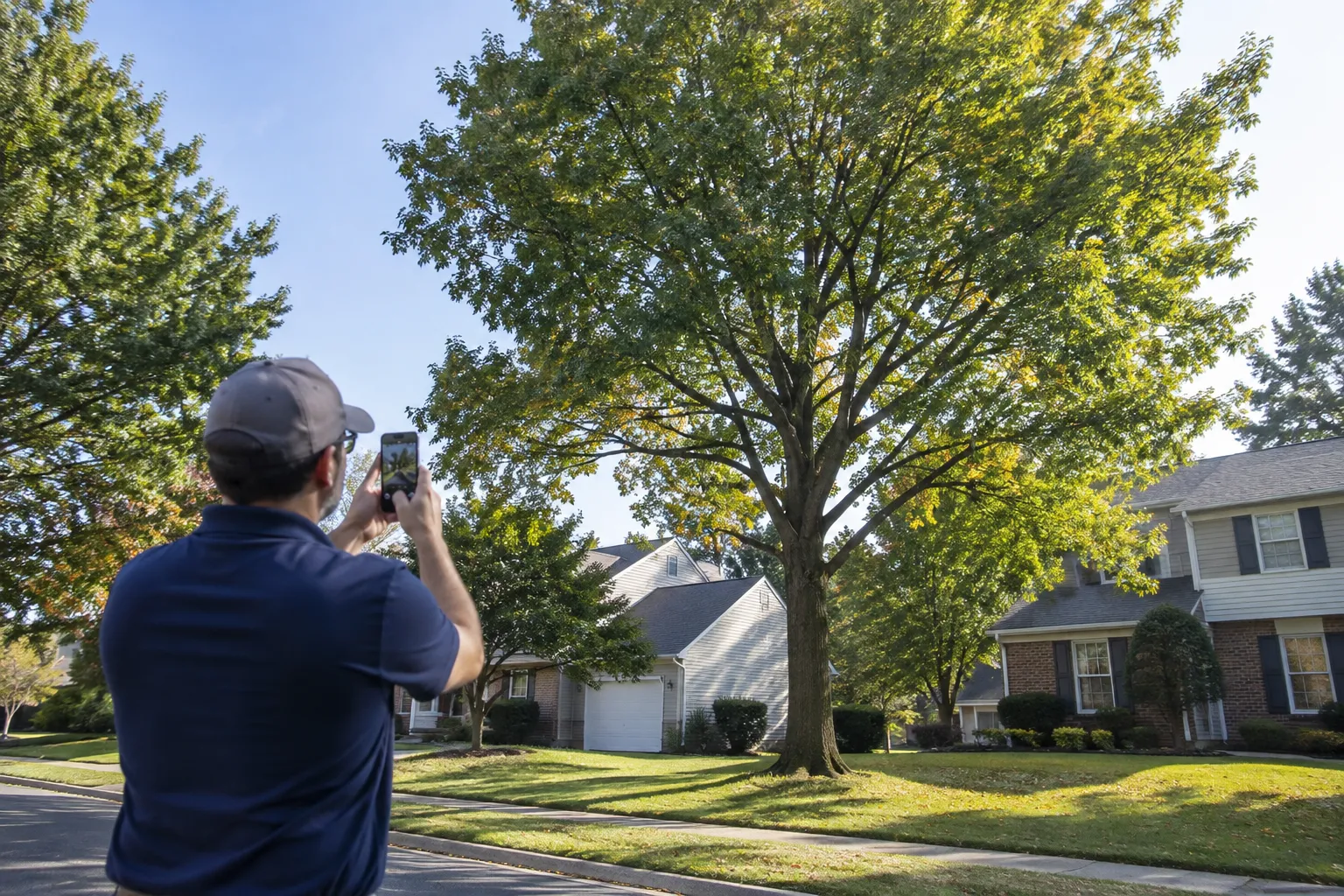
When requesting a tree removal estimate in Philadelphia, providing clear, detailed photos and accurate site access information is crucial. Contractors rely on this information to assess the scope, equipment needs, and potential challenges before visiting the site. Supplying a consistent set of photos showing the tree from multiple angles, the surrounding structures, and the access route helps contractors prepare a more precise and comparable estimate. Additionally, including measurements such as trunk diameter, narrowest access points, and distances to nearby structures can reduce guesswork and unexpected costs. Remember to communicate any known constraints like gates, overhead lines, or delicate landscaping. While these details improve estimate accuracy, an on-site assessment by the contractor is often necessary to finalize the quote. Preparing this information beforehand leads to clearer expectations and smoother scheduling for your tree removal project.
Why Detailed Photos Matter for Tree Removal Estimates
Photos are the first and most important tool for contractors to understand the scope of your tree removal project. Clear images from multiple angles provide a realistic view of the tree’s size, condition, and its proximity to buildings, fences, power lines, or other trees. This visual information helps contractors evaluate the risks and equipment required, such as cranes or rigging for trees near structures.
Start with wide shots that capture the entire tree and its surroundings. Then take mid-range photos to show branch density and canopy shape. Close-up photos of the trunk and base can help with diameter measurement, but only if taken from a safe distance outside the tree’s fall zone. Avoid entering hazardous areas or climbing for photos. Mark the tree in your photos if multiple trees are present to avoid confusion.
How to Document Site Access for Accurate Quotes
Site access is as important as the tree itself when estimating removal costs. Contractors need to know how their equipment and crew will reach the tree safely. Photograph the access route from the street or driveway to the tree, including gates, narrow passages, steps, or other obstacles. Note any slopes, wet ground, or delicate landscaping that may affect equipment movement.
Measure the narrowest access points, such as gate widths, and the lowest overhead clearance along the route. These measurements help contractors determine if special equipment or additional labor is necessary. Also, inform the contractor about any restrictions you control, such as locked gates or shared driveways, so they can plan accordingly.
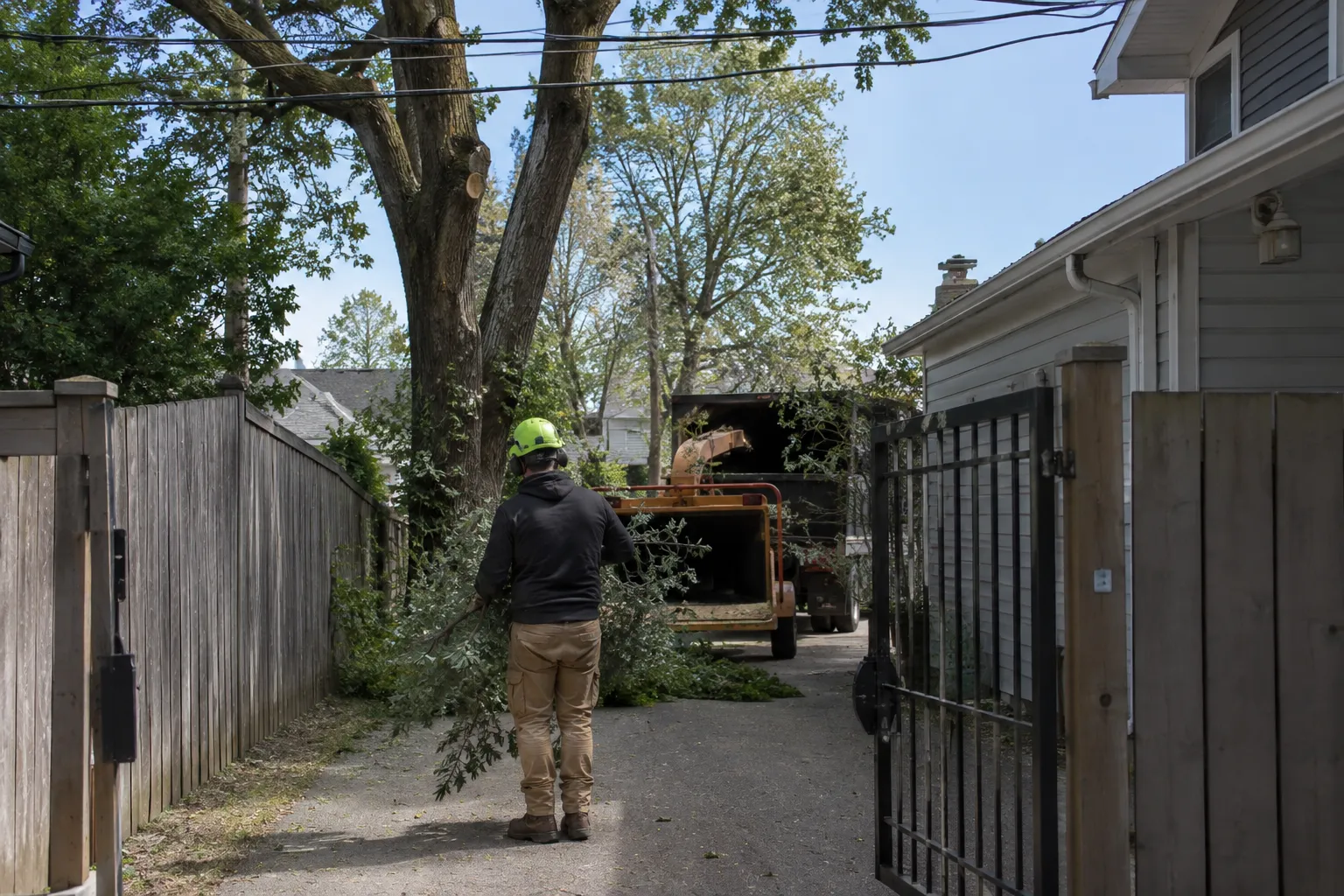
Key Measurements and Information to Provide
Along with photos, providing specific measurements enhances estimate accuracy. Measure the tree trunk circumference at about 4.5 feet above ground and convert it to diameter by dividing by pi (approximately 3.14). For example, a 94-inch circumference equals roughly a 30-inch diameter. Include approximate distances from the tree to nearby structures and overhead wires.
If you plan to include stump grinding, wood hauling, or yard restoration, mention these preferences upfront. Also, share any relevant timing constraints, permit requirements, or underground utility concerns. Clearly stating what you want included in the job scope helps avoid misunderstandings and unexpected charges.
Communicating Constraints and Preparing for the Contractor Visit
Be transparent about any site constraints or unknowns. If certain areas are inaccessible or if you are unsure about underground utilities, state this clearly in your request. Contractors appreciate knowing what they cannot verify remotely, which helps them plan for an on-site visit if needed.
Before the work begins, confirm the agreed scope, access arrangements, staging areas, and cleanup responsibilities with the contractor. Follow their instructions for moving vehicles or outdoor items to ensure safety and efficiency. After completion, inspect the work area with the contractor, compare results with the agreed scope, and keep documentation for your records.
Common questions
What types of photos should I take to help get an accurate tree removal estimate?
Take wide photos showing the entire tree and its surroundings from different angles, mid-range shots to display branch density and canopy shape, and close-up photos of the trunk from a safe distance. Also photograph the access route including gates, driveways, and any obstacles. Avoid entering unsafe areas or climbing the tree.
How can I measure site access points to improve the accuracy of a tree removal quote?
Measure the narrowest gate or access point widths and the lowest overhead clearances along the route to the tree. Note any slopes, steps, or obstacles that equipment must navigate. Providing these measurements helps contractors determine what machinery and labor will be needed.